

Reconnect 2 Resist

With this project I am trying to bridge the gap between the reality of the people on the DTES and the rest of Vancouver. As someone whose stomach dropped when I bussed by Hastings and Main, starting my PhD at SCA/SFU put me in the heart of the disaster. I stopped being able to look away, to stay away.
Last year I started offering art workshops and meals at Pace Society where I spent more time with folks struggling with trauma, mental illness, poverty and addiction. This led to a few artistic interventions at Oppenheimer Park with Cindy Baker. I have found that spending time and sharing space with people helps me connect to my own humanity, traumas and resilience. I grew up in this city struggling with my own mental health and addiction – and have lost people to this drug crisis, to these streets.
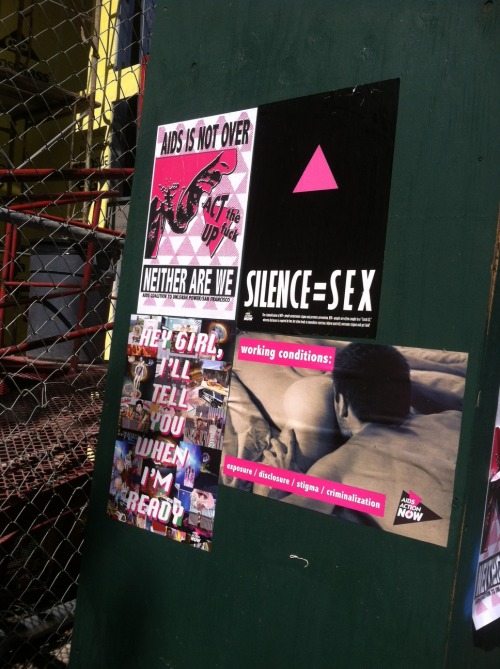
I began moving cardboard pieces, with text and photos through the neighborhood talking with folks. This felt too heavy handed, and as an outsider I didn’t want to impose. I documented details of life on the streets, avoiding documenting people directly, then turned these images into cut out objects which became stickers. The smells of bodies, waste and drugs in my mouth as I walked these streets were penetrating. I started handing out lavender to people. This is a quiet way to say hi, show I care and start conversations. “Smell this, it is so calming.” People started telling me their life stories when I asked how they were doing. While putting up stickers it occurred to me one day that I could use the stickers to put up lavender around the DTES. This felt more ritualistic, like I wanted to put a magic spell of love on these streets.
I know that this isn’t enough and is mostly symbolic, but I keep doing it. Meanwhile I reached out to organizations and people. Listened to Garth Mullins’ podcast Crackdown and then his audiobook Crackdown: Surviving and Resisting the War on Drugs. I read all the articles I could on DULF and realized they are in dire need of support to win their case – and to make having a safe supply legal. With Erica Wilk and Mikiki, we created a zine that introduces folks to some of the amazing orgs working on the DTES. I made postcards from graffiti on the DTES that said “FUCK THE MAYOR” with Ken Sim’s address on the back. Then I dropped a stack of pre-stamped postcards at VANDU.
These folks aren’t harming us, they are being harmed by state violence. Letting a toxic drug supply thrive is violence. Not offering affordable housing for all is violence. Criminalizing poverty and addiction is violence. This will touch us all whether through intention or otherwise. I ask you today to do something.
 .
. 


“Ethical loneliness is the isolation one feels when one, as a violated person or as one member of a persecuted group, has been abandoned by humanity, or by those who have power over one’s life’s possibilities. It is a condition undergone by persons who have been unjustly treated and dehumanized by human beings and political structures, who emerge from that injustice only to find that the surrounding world will not listen to or cannot properly hear their testimony—their claims about what they suffered and about what is now owed them—on their own terms. So ethical loneliness is the experience of having been abandoned by humanity compounded by the experience of not being heard. Such loneliness is so named because it is a form of social abandonment that can be imposed only by multiple ethical lapses on the part of human beings residing in the surrounding world.”